
Surgery for Gastrointestinal Cancer
The Whipple Procedure for Pancreatic Cancer
For some individuals with pancreatic cancer, the Whipple procedure may be an option to extend life or offer a potential cure.
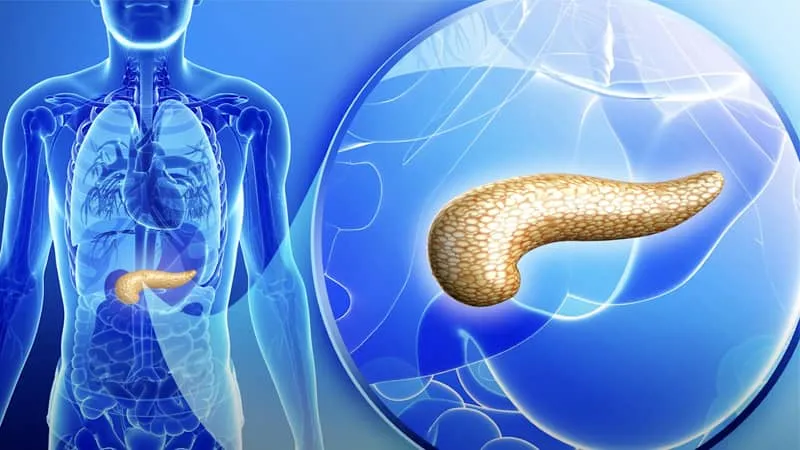
The Whipple procedure, also called pancreatico-duodenectomy, is a complex surgery used to remove tumors in the head of the pancreas, where most pancreatic cancers occur. It involves removing the head of the pancreas, the duodenum, the gallbladder, parts of the stomach, and the bile duct, along with nearby lymph nodes.
This procedure is the only potential cure for pancreatic cancer and may sometimes require reconstruction of nearby blood vessels if the cancer has spread.
Robotic-Assisted Whipple Surgery
Robotic-assisted surgery offers improved precision and visibility for surgeons, using advanced tools like the da Vinci system. This approach allows for better visualization and more precise movements, enhancing the surgeon’s ability to perform this intricate procedure.
CRS-HIPEC: Advanced Treatment for Abdominal Cancers
Cytoreductive surgery (CRS) and hyperthermic intraperitoneal chemotherapy (HIPEC) are combined to treat advanced abdominal cancers. CRS involves removing all visible cancer in the abdominal cavity, while HIPEC delivers heated chemotherapy directly to the area to target remaining microscopic cancer cells.
This approach is effective for select patients with cancers such as gastric, colorectal, appendiceal, intra-abdominal sarcoma and gynecologic cancers. HIPEC is preferred over traditional chemotherapy because it allows direct contact with cancer cells in areas with limited blood supply.
The procedure is safe when performed by experienced teams and is covered by insurance. Recovery typically involves a hospital stay of 7-10 days, with most patients resuming normal daily activities soon after.
To learn more about CRS-HIPEC, read through FAQs here.
IRE for Pancreatic Cancer
Irreversible electroporation (IRE) is an advanced surgical technique used to treat pancreatic cancer. It uses electrical fields to create microscopic pores in tumor cells, causing them to die without damaging nearby healthy tissue. This makes IRE especially useful for treating tumors near vital structures like arteries and veins.
Benefits of IRE:
- Offers treatment options for some patients with inoperable tumors.
- Can improve the effectiveness of chemotherapy by reducing tumor size.
- Shorter recovery time compared to traditional surgeries.
IRE is not suitable for patients whose cancer has spread beyond the pancreas. However, for eligible patients, it may improve quality of life and extend survival, with some studies showing a median survival of up to 27 months.
To learn more about IRE, read through FAQs here.
PIPAC: Targeted Chemotherapy
Pressurized Intraperitoneal Aerosol Chemotherapy (PIPAC) is a minimally invasive treatment for advanced abdominal cancers, including stomach, ovarian, colorectal and appendix cancers, as well as malignant ascites. It delivers chemotherapy as a fine mist directly into the abdomen using a laparoscopic wand, allowing for better distribution and deeper tissue penetration with lower toxicity.
Benefits of PIPAC:
- Less invasive and fewer side effects compared to traditional treatments.
- Can be used for patients unable to tolerate HIPEC or as a complement to standard chemotherapy.
- Provides both palliative relief and therapeutic benefits for conditions like malignant ascites.
PIPAC is performed under general anesthesia, typically takes 30 minutes, and usually requires just an overnight hospital stay. It can be repeated over multiple sessions and is well-tolerated by most patients. Studies show it may improve quality of life and potentially extend survival for those with late-stage cancer.
Is there a clinical trial right for you?
(631) 728-7425
