
Clinical Trials
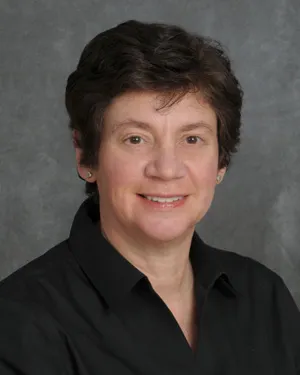
Alison Stopeck, MD
- Associate Director for Clinical and Translational Research, Stony Brook Cancer Center
Stony Brook Cancer Center
Lauterbur Drive
Stony Brook, NY 11794
Whether you or your loved are receiving treatment at Stony Brook Cancer Center or another facility, you have access to clinical trials and studies that are overseen by our Cancer Center staff. The trials are funded by pharmaceutical companies, the National Institute of Health, the National Cancer Institute, as well as by Stony Brook Medicine.
With over 100 trials available to you or your loved one, a dedicated clinical trials staff will work with you to ensure your health is the main priority.
Taking part in a clinical trial is 100 percent voluntary. You will never feel pressured to take part in a study. Our clinical trials staff is available to answer any questions about your participation seven days-a-week in a timely manner.
Is there a clinical trial right for you?
(631) 728-7425

The Four Phases of Clinical Trials
- Phase I: Determines the maximum tolerated dose and dosing schedule of a drug, how it works, and its toxicity. The trial includes a small number of patients whose cancer has come back or does not respond to standard treatment. The trial includes patients with different cancers.
- Phase II: Determines how the drug affects the cancer, and evaluates toxicity. The trial includes groups of patients with the same cancer.
- Phase III: Determines how the drug/treatment works by assessing survival and time to progression of the disease, and obtains information about quality of life. The trial includes large numbers of patients, and randomly assigns the patients to the experimental treatment or the standard therapy.
- Phase IV: Expands "off-label" use of the drug, meaning the drug may be used for a disease it was not originally approved for. The trial also continues to assess toxicity.
Frequently Asked Questions
Cancer clinical trials are an important tool to finding new and better ways to treat cancer. Have you ever thought about taking part in a cancer clinical trial or would like to learn more about clinical trials?
And remember, we have a diverse community, so it is important that people from different racial and ethnic groups are included in a clinical trial. This helps researchers know if the new treatment is effective for all of us.
Note: Every study is different. The answers to these questions will change from study-to-study. There is no single answer to the questions below. The answers listed are general, and any specific questions about a particular study should be asked to the Principal Investigator, Study Coordinator or another member of the study staff.
General Questions
Clinical trials are studies in which people volunteer to test new drugs or devices. Doctors use clinical trials to learn whether a new treatment works and is safe for people. These kinds of studies are needed to invent new treatments for serious diseases like cancer.
In a clinical trial, an experimental treatment is given to a small number of patients to see if it would be a beneficial medical treatment. During a clinical trial the benefits and possible risks of the treatment can be studied. Clinical trials are designed with care. They are carried out with the safety and health of the people taking part in the trial a top priority.
People who take part in a clinical trial usually receive a high-quality of cancer health care which may improve their quality of life. If you receive a trial treatment that is shown to work, your health may improve. Even if you are chosen as a control and do not receive the new treatment, you will still receive the best-known care. By taking part in a clinical trial, you will be helping to improve cancer treatment for future cancer patients of your age, gender and race.
To understand the trial, speak with your doctor and the trial staff to be sure that all your questions are answered. Some questions you can ask:
- What will I be asked to do during the trial?
- What kinds of tests and treatments are part of the trial?
- How will this trial affect my daily routine?
- Will there be any limits on what I eat, pills I take, or my activities?
- How long will the trial take?
- How often will I need to come to the office?
- What are the risks of the treatment?
- What are the costs of taking part in the trial?
- Can I quit once the trial has started?
- How will my private information obtained from the trial be used, and will my privacy be protected?
You may also find it helpful to get a second and third opinion before participating in a trial. Get more information about cancer clinical trials.
Specific Questions
Before a treatment is used on people, many laboratory tests will be done, and the treatment will first be tried on animals. After these tests, clinical trials must then be approved by the Food and Drug Administration (FDA) and will be supervised by the research center. Also, a clinical trial may be conducted in phases, with the number of people receiving treatment increasing with each phase.
As with any treatment, side effects are possible. During a clinical trial, your health will be checked so that if you have any side effects, you will receive needed treatment.
Some clinical trials do not use a “Placebo” or a “No Treatment” group in the study. If a placebo is used in the trial, you will be made aware of this ahead of time. During the trial, you will likely not know which group you will be in, the one getting the treatment or the one getting the placebo. Since joining a clinical trial is entirely voluntary, you can choose to not participate if this makes you uncomfortable.
With any treatment, there are risks. The goal of a clinical trial is to find a new and improved treatment, but it is possible that there will be side effects. Each treatment is different and can affect each person differently. The clinical trial team will go over all the known risks prior to you joining the trial. There may also be other risks that are not yet known.
Finding a Cancer Clinical Trial
As a first step, you might want to talk with your healthcare provider. He or she may be aware of clinical trials that you can join. You can also look for trials on the National Institute of Health clinical trial website at www.clinicaltrials.gov. This website provides information about clinical trials taking place worldwide, including who to contact.
Stony Brook Cancer Center has a Clinical Trial Office dedicated to cancer trials. Call (631) SB-TRIAL (728-7425) with any questions.
Many medical centers that conduct trials have a clinical trial phone line that you can call. Once you call that phone line, the person who answers will ask you a few questions. Based on what you tell with them, they may ask you to come in for testing to see if you have the right traits for the trial. Some trials may have strict rules about who can and cannot join. This means, it could take the clinical trial staff a number of days or weeks, to decide if you are right for the study and can join.
No. While most cancer clinical trials include people with cancer, some include people without cancer.
Participating in a Trial
If you are enrolled in a clinical trial, your health will often be checked so that any side effects, or changes in your health will be noticed and taken care of. For those people whose cancer has reached a point where FDA approved treatments are not helping, a study treatment might improve their health. The trial healthcare provider will always give you all your treatment options and provide you with the best possible care. You will be given all the available information for you to make that decision.
Your insurance will usually cover the cost of your care, but you should always check with your insurance company to be certain. In many trials, you will still be receiving your standard medical care. Your insurance will be responsible for paying for any treatment that is part of your routine care. Any treatment offered as part of the study is usually supplied at no cost to you. You should confirm this with the trial team before you enroll.
Ask your healthcare provider about whether a clinical trial will be right for you. Some trials are designed for someone who is newly diagnosed and has not yet received any treatment. Other trials are designed specifically for someone who has not improved with other treatments.
Yes. While a clinical trial hopes to improve the participants’ health, it also requires the collection of a large amount of information. This will result in more frequent visits, more blood tests, and possibly more imaging tests.
You should speak with your clinical trial team about this. They may be able to arrange a ride or reimburse for travel/parking to ensure you make it to all your visits. For assistance, call (631) SB-TRIAL (728-7425).
Yes. However, for some treatments, your physician may advise a slow decrease of some study medications. Taking part in the study is always voluntary. If you do not want to continue the treatment, speak with the study team, and they will discuss the best way to quit the trial.
