
Melanoma and Skin Cancer Team
The Melanoma Management Team at Stony Brook Cancer Center provides comprehensive, patient-centered care for melanoma, the most serious form of skin cancer. As Suffolk County’s leading referral center for melanoma treatment, we combine advanced medical expertise with a commitment to education and research.
Our team not only delivers personalized care tailored to each patient’s needs but also actively engages with the community through free skin cancer screenings and educational outreach in local schools.
Types of Skin Cancer
Is there a clinical trial right for you?
(631) 728-7425
Our Melanoma and Skin Cancer Team
Surgery
Dermatology
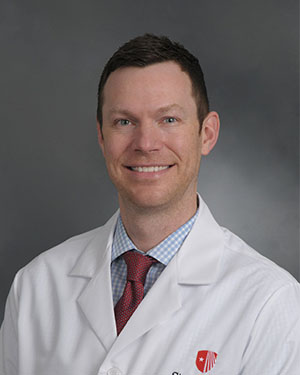
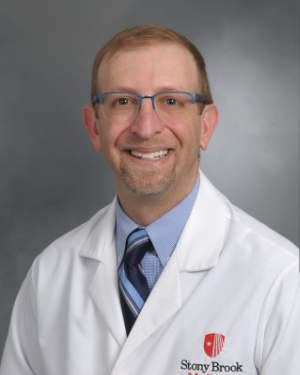
Pathology
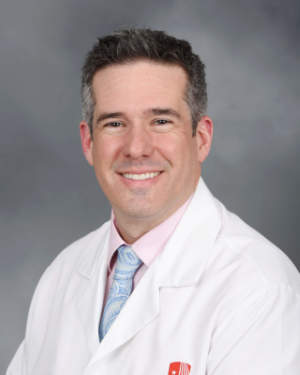
Medical Oncology
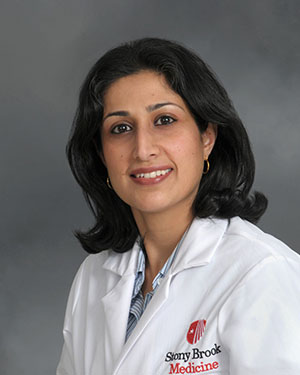
Radiation Oncology
Diagnosing Skin Cancer
Finding skin cancer early gives you the best chance for a successful treatment. We make the diagnostic process fast, clear and convenient for you. You can schedule a visit with us directly to check an irregular mole, or your private dermatologist can refer you to our program.
When you come to us for care, we guide you through a few simple steps:
- Initial consultation: Your first visit includes a comprehensive evaluation by our team to assess your needs and determine the next steps in your care.
- Prompt diagnostic testing: During your evaluation, we carefully check your skin and perform any necessary tests to confirm a diagnosis. Once we have the results, we discuss your exact treatment options and next steps.
- Dermatologist involvement: A board-certified dermatologist is a key member of our team, working alongside other specialists to ensure you receive thorough care and ongoing skin checks during and after your treatment.
Our team moves quickly to get you the answers you need. In most cases, if you need surgery to remove a skin cancer, we schedule the procedure within weeks of your first consultation.
Treatment and Care
When you are diagnosed with skin cancer, we work closely with you to develop a personalized care plan based on the type, stage, and location of your cancer. Our multidisciplinary team ensures you receive the most effective care possible. We offer a comprehensive range of skin cancer treatments.
Surgery is the primary treatment for most early-stage skin cancers and melanoma. Our goal is to completely remove the cancer while preserving as much healthy tissue and function as possible.
Surgical options include:
- Wide excision: We remove the tumor along with a small margin of normal skin around it to ensure no cancer cells remain.
- Mohs surgery: This precise technique involves removing the visible tumor layer by layer. We examine each layer under a microscope immediately until no cancer cells are found, which saves healthy tissue.
- Lymph node biopsy or removal: If we suspect the cancer has spread, we may remove nearby lymph nodes for testing or as part of your treatment.
- Reconstructive plastic surgery: We offer reconstructive options at the time of your procedure to close the excision, improve healing and restore your appearance.
Medical oncology uses medications to destroy cancer cells or stop them from growing. These treatments are often used for advanced skin cancers, such as metastatic melanoma or Merkel cell carcinoma, that have spread beyond the skin.
Medical treatments include:
- Immunotherapy: These medications stimulate your body's own immune system to recognize and attack cancer cells more effectively.
- Targeted therapy: We use drugs that specifically attack cancer cells based on their unique genetic mutations, minimizing damage to healthy cells.
- Topical chemotherapy: For superficial or precancerous skin cancers, we can prescribe medicated creams or gels that you apply directly to the skin.
- Systemic chemotherapy: While used less frequently today because of advances in immunotherapy, intravenous chemotherapy remains an option for certain advanced skin cancers.
Radiation therapy uses focused, high-energy rays to safely and effectively destroy cancer cells. We use advanced technology to target the tumor accurately while sparing surrounding healthy tissue.
We may recommend radiation therapy for the following reasons:
- Primary treatment: Radiation is highly effective for skin cancers located in areas where surgery might be difficult or cause cosmetic issues, such as the eyelids, nose or ears.
- Adjuvant therapy: We can deliver radiation to the surgical site after a tumor is removed to kill any microscopic cancer cells left behind and reduce the risk of the cancer returning.
- Symptom relief: For advanced skin cancers, radiation therapy can help shrink tumors and relieve pain or other symptoms.
FAQs About Skin Cancer
Skin cancer is usually the result of sun exposure and blistering sunburns that occur in childhood, along with cumulative sun exposure over your lifetime. The most important thing you can do is protect children from early sun exposure, though it is never too late to reduce your own risk. Eliminating ongoing sun damage is crucial.
The good news is that most people diagnosed with skin cancer do very well. The majority of skin cancers are either basal cell or squamous cell carcinomas. Only 4 percent of all skin cancers are melanoma, which is the most serious type.
Skin type plays a major role. Having fair skin, light hair and light eyes increases your risk for melanoma. While general sun exposure is the most common risk factor, using tanning salons also significantly raises your risk. Self-tanning lotions, however, do not pose a danger.
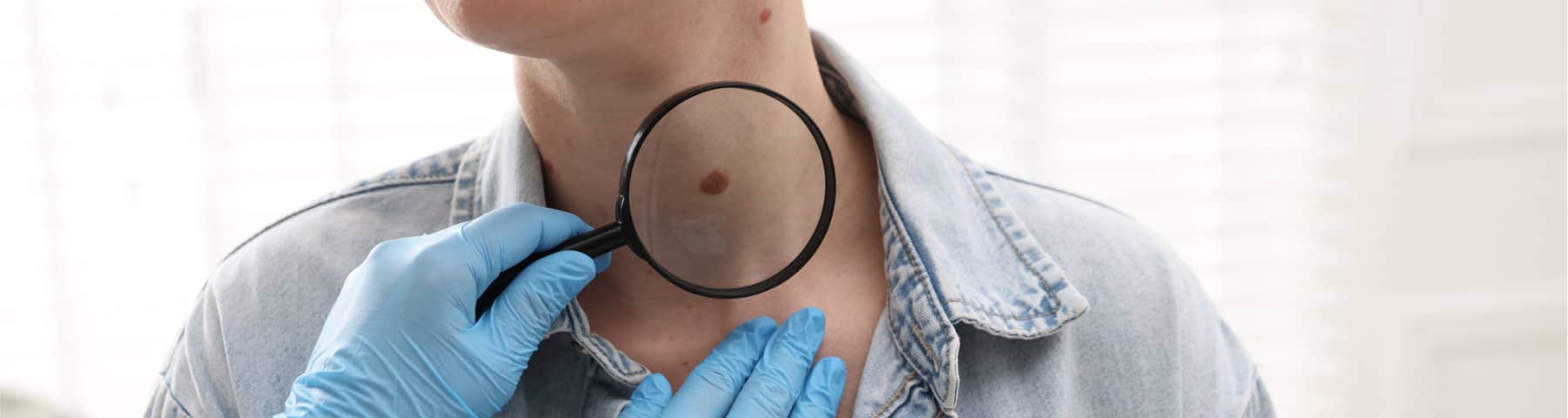
The ABCDE rule is the key to evaluating new or changing moles:
- A is for asymmetry.
- B is for irregular borders.
- C is for color variation.
- D is for a diameter greater than 6 millimeters (about the size of a pencil eraser).
- E is for evolution, meaning any change in a mole, including itching or bleeding.
Any new lesion that bleeds or scabs and does not go away within four weeks should be evaluated by a physician.
You should be aware of your skin and look for changing moles on a daily basis. If you do not have any history of skin cancer, you should get a total body skin examination from a physician once a year. If you have a history of skin cancer, especially melanoma, you should be evaluated at least twice a year by a dermatologist and perform monthly self-checks. Ongoing follow-up appointments are a lifetime commitment to monitor for cancer recurrence or new skin cancers.
Try to plan your outdoor activities before 10:00 am and after 4:00 pm. Use a broad-spectrum sunscreen with an SPF of 30 or higher. Apply it to all exposed skin about ten minutes before you go outside, and reapply every two hours (or sooner if you are swimming). You can also wear clothing with built-in UV protection, including specialized bathing suits for kids. Always wear a hat to protect your scalp and ears, as sun-exposed areas like the nose and ears are very common places for skin cancer to develop.
If you have a lesion you are worried about, the first step is to see a board-certified dermatologist who can remove it if it looks suspicious. Most basal and squamous cell cancers simply require local removal by a dermatologist or plastic surgeon, and no further treatment is needed.
If you are diagnosed with melanoma, a specialized surgeon will become involved. Treatment depends on the depth of the cancer. For a thin melanoma (less than one millimeter deep), we remove the cancer along with a small margin of normal skin around it. If the melanoma is deeper than one millimeter or shows concerning features under a microscope, we will also sample the nearby lymph nodes to check if the cancer has spread.
Stony Brook provides comprehensive, multidisciplinary care for patients with melanoma. We offer screening, surgery and the option to participate in local and national clinical trials. We also conduct vital research and provide community education.
While clinical trials are strictly voluntary, offering them is a hallmark of our ability to provide leading-edge treatment. Additionally, our dedicated team of pathologists, dermatologists, medical oncologists and melanoma surgeons meets once a month to review every melanoma case, ensuring you receive the full benefits of a team-based approach.
