
Haley Research Lab
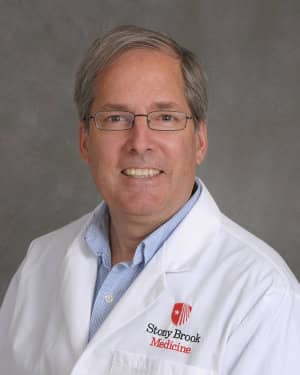
John D. Haley, PhD
- Director, Developmental Therapeutics, Stony Brook Cancer Center
- Director, Proteomics Center, Stony Brook University
- Associate Professor of Research, Department of Pathology, Renaissance School of Medicine
Office: (631) 444-3097
Email: john.haley@stonybrookmedicine.edu
Stony Brook UniversityBasic Science Tower, 9-168
Stony Brook, NY 11794-8691
Research Program
Department
Research Interest
Over 90 percent of cancer patient deaths are attributable to metastasis, and most patients treated in Phase I and II clinical trials have metastatic cancers. Metastatic cancers are highly heterogeneous, containing many different cell types and states, and they often show increased resistance to radiation, chemotherapies, and targeted therapies. Cellular plasticity plays a major role in cancer progression, with the acquisition of mesenchymal, cancer stem cell–like phenotypes correlated with poor prognosis.
Several forms of plasticity have been documented, including epithelial–mesenchymal transition (EMT), endothelial–mesenchymal transition, and epithelial–neuroendocrine transition. EMT is an important cellular process that enables metastasis and is associated with poor prognosis and therapy resistance in cancer patients. New therapeutics are needed to target the novel tumor survival signals present within EMT-derived and cancer stem cells. Through the generation and molecular characterization of EMT models, RNAi-based target validation, and pharmacology studies, new targets and compounds that promote metastatic cell death can be identified and validated across panels of cell lines. Current research interests include defining and exploiting mechanisms to overcome anti-cancer drug resistance and cancer metastasis.
Education
- BA, Chemistry, Tufts University
- PhD, Molecular Endocrinology, Howard Florey Institute for Experimental Physiology and University of Melbourne
- Postdoctoral Fellow, Howard Florey Institute (Melbourne) and the Imperial Cancer Research Fund and Ludwig Institute for Cancer Research (London)
