

Gynecologic Cancer Team
At Stony Brook Cancer Center, we know that cancer affects every part of life. That’s why our Gynecologic Oncology Center provides personalized, comprehensive and multidisciplinary care to women with known or suspected gynecologic cancers.
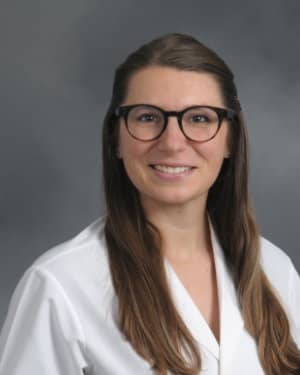
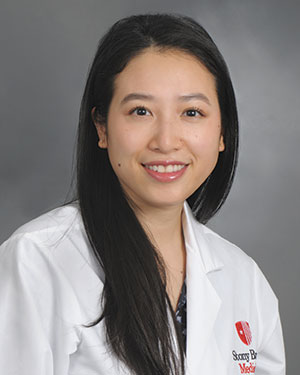
Our highly experienced team is led by board-certified gynecologic oncologists and includes surgeons, medical oncologists, radiation oncologists and nurse practitioners. All of our health providers can easily collaborate and coordinate care because they are all right here at Stony Brook.
Types of Gynecologic Cancer We Treat
Learn more about gynecologic cancers by clicking the links below:
- Ovarian cancer
- Uterine cancer (also known as endometrial cancer)
- Cervical cancer
- Vulvar cancer
- Vaginal cancer
- Peritoneal cancer
- Fallopian tube cancer
Is there a clinical trial right for you?
(631) 728-7425
Our Gynecologic Cancer Team
Surgery and Chemotherapy



Radiation Oncology

Radiology

Screenings
For cervical cancer, the Pap test is the most valuable screening tool available, particularly when it’s combined with HPV testing. Pap tests and HPV testing can lead to the detection of precancerous changes in your cervix before they become cancer.
- For women 21 to 29, Pap tests are recommended every three years.
- For women 30 and older, Pap tests combined with HPV testing (known as co-testing) are recommended every five years.
- Screening may stop for women over 65 if they’re considered low risk.
Treatment and Care
Stony Brook Cancer Center offers a comprehensive range of diagnostic, treatment and follow-up services for patients with gynecologic cancer. This includes advanced radiation, surgical and systemic therapies. We create a personalized care plan for each patient, considering your age, overall health, and the cancer’s type, size, location and stage.
Surgical procedures performed by the gynecologic oncology team include radical pelvic and pelvic exenteration, urological and reconstructive plastic surgery. The team is highly skilled in laparoscopic and robotic procedures, enabling many patients to manage reproductive cancers using minimally invasive surgery.
Through our Enhanced Recovery After Surgery (ERAS) program, a multi-disciplinary team (including anesthesiologists, surgeons, nurse practitioners, physicians, assistants, nurses, pharmacists and social workers) will work with you to ensure that you are getting the best care, both before and after any surgical procedure. Our ultimate goal is to have you back to your normal lifestyle as quickly as possible.
Learn more about Surgical Cancer Care at Stony Brook.
Medical oncology is one of the three main ways to treat cancer. Medical oncologists evaluate your specific type of cancer and recommend the most effective treatments, which may include oral medicines, chemotherapy and/or immunotherapy.
Our gynecological oncology team includes a clinical pharmacist and chemotherapy-certified nurses experienced in managing intravenous, oral and intraperitoneal chemotherapy.
Learn more about Medical Cancer Care at Stony Brook.
Radiation oncology uses targeted radiation beams to treat cancer. It’s often part of gynecologic cancer care, along with surgery and/or chemotherapy. Radiation can destroy or shrink cancer cells while protecting nearby healthy tissue. It’s used for early-stage cancers, more advanced cases, and to relieve symptoms when cancer has spread.
Learn more about Radiation Oncology at Stony Brook.
Support Services
We provide comprehensive support services tailored to gynecologic cancer patients, including genetic counseling, nutritional guidance and support groups. These resources ensure holistic care, helping patients and their families navigate every aspect of their cancer journey with compassion and confidence.
Find out more by clicking on the links below:
Gynecologic Cancer FAQs
A gynecologic oncologist is a board-certified obstetrician/gynecologist who specializes in the diagnosis and comprehensive treatment of women with cancer of the reproductive organs. This includes cervical, ovarian (including the fallopian tubes and peritoneum or lining of the abdominal cavity), uterine (endometrium or lining of the uterus), vaginal and vulvar cancers. There are also many premalignant conditions leading to gynecologic cancer such as cervical dysplasia (abnormal changes in the cells that appear on the surface of the cervix) that gynecologic oncologists are trained to diagnose and treat. To become a gynecologic oncologist, an obstetrician/gynecologist must undergo an additional three to four years of training in gynecologic oncology. This training includes learning the surgical procedures necessary to treat gynecologic cancer or its complications, prescribing the appropriate chemotherapy and/or coordinating radiation therapy with radiation oncologists, when needed.
While screening has dramatically improved over the past decades, and very early-stage gynecologic cancers and premalignant conditions are diagnosed and treated sooner, treatment by a specialist is a key factor in outcomes. Studies show that women treated by a gynecologic oncologist are more likely to have better outcomes than those treated by non-specialists. This can be attributed, in part, to the comprehensive knowledge and skills developed by a gynecologic oncologist.
A gynecologic oncologist also understands the impact of cancer and its treatment on all aspects of a woman’s life, including future childbearing, sexuality, physical and emotional well-being, and her family.
As the only academic, subspecialty gynecologic oncology practice in Suffolk County, our approach at Stony Brook Cancer Center is comprehensive and multidisciplinary.
Because we are directly involved with all aspects of our patients’ care, from diagnosis and treatment to follow-up, the long-term relationships we develop with you and your primary care physicians reduce the problems that can result from fragmented care. We perform all the surgical procedures necessary to treat gynecologic cancer, or its complications, and have extensive experience administering intravenous, oral and intraperitoneal chemotherapy. Our extended chemotherapy team includes physicians, clinical pharmacists, physician assistants, social workers and nurses.
We also collaborate with other cancer specialists from the Stony Brook Cancer Center and work closely with the Department of Radiation Oncology to develop treatment plans and place advanced brachytherapy devices, which provide localized, precise, high-tech radiation therapy.
Because our practice is part of Stony Brook University Medical Center, we are frequently involved in National Cancer Institute-funded research studies and clinical trials aimed at finding more effective and less toxic treatments to further advance care and improve survival. At any given time, we have multiple chemotherapy trials available for women with a variety of gynecologic cancers.
We also offer comprehensive support services, including pain and symptom management, hospice care and referrals for counseling. We also provide information about prevention, diagnosis and management of gynecologic cancers through support groups and lecture series for the community.
Ovarian cancer rarely occurs in women under the age of 40, but its incidence rises following menopause. No one knows exactly what causes ovarian cancer, but one theory is called “incessant ovulation.” That means that women who continually ovulate throughout their lives without a break, for example, due to pregnancy or suppression of ovulation through birth control pills, are at higher risk. So are women who start menstruating early and stop late.
Unfortunately, more than half the women diagnosed with ovarian cancer die from it, as it is very difficult to detect in the early stages, mostly because the signs and symptoms are non-specific. As a result, most women present with Stage III or IV disease, when the cancer has spread. In addition, there are no reliable screening tests, so really, the only way to accurately diagnose ovarian cancer is through a tissue biopsy.
Symptoms can include abdominal bloating, upper body weight loss but a distended abdomen, changes in bowel and bladder function, vaginal bleeding (either post-menopausal or irregular bleeding in women still menstruating), difficulty eating or feeling full quickly, fatigue, indigestion, back pain, pain with intercourse, chest pain and shortness of breath, and nausea.
Typically, treatment includes surgery followed by chemotherapy. For patients with early stage disease, full surgical staging is critically important. If the cancer is advanced, a debulking surgery should be done to reduce the volume of the residual disease. These procedures should be done by an experienced gynecologic oncologist in a facility that can provide expert care before and after their surgery.
One is to keep weight within normal limits, since obesity has been linked to many cancers, including ovarian. Another is to reduce the lifetime duration of ovulation, for example, by taking birth control pills, having a tubal ligation after completion of child-bearing, or having risk-reducing surgery, such as removal of the ovaries if at high risk. It is also important for women to be aware of the role of the gynecologic oncologist. Studies show that patients with ovarian cancer have better outcomes when treated by a gynecologic oncologist than by a gynecologist or a surgeon.
This type of cancer forms in the tissue of the cervix, the organ connecting the uterus and vagina. It is usually a slow-growing cancer and is almost always caused by human papillomavirus (HPV).
Cervical cancer was once the most common cause of cancer death in women. With the introduction of the Pap test and widespread screening practices initiated in the 1950s, the number of cervical cancer deaths in the United States have declined dramatically. Preventing it involves a three-pronged approach: community education, screening and vaccination against HPV.
The best method for cervical cancer screening has changed over the past few years. There’s a greater understanding of cervical cancer and the role infection with high-risk HPV types causes. Further advanced technology gives providers and patients multiple options for screening. Currently, there are three effective screening strategies. Choosing the best approach may be done on an individual basis. Please speak to your provider about which approach would be best for you.
The American Cancer Society currently recommends no screening for women under 25 years of age. Women ages 25 to 65 should undergo primary HPV testing alone every five years (preferred) with an FDA-approved HPV test for primary screening. Co-testing with a pap smear and HPV test every five years, or a pap smear alone every three years, are also acceptable options for women in this age group. You should discuss the best option for you with your doctor. Women over 65 may discontinue screening if they have had negative testing for the previous 10 years. Women over 65 without proof of negative screening should continue screening until they meet the criteria to stop testing.
In addition to following current screening guidelines and the recommendations of your physician based on your individual health, you can consider incorporating these steps into your lifestyle:
- Get the HPV vaccine. Because HPV is linked to cervical cancer, this vaccine is an important part of reducing your risk. Guidelines recommend giving the vaccine to boys and girls between the ages of 11 and 12 years, but can be given as early as age 9 and as late as 13 to 26 years. Unvaccinated patients ages 27 to 45 may also benefit from HPV vaccination and should speak to their provider about the potential benefits of HPV vaccination.
- Follow safe sex practices, including using barrier contraception, since HPV is often symptomless.
- Don’t smoke, as smoking cigarettes slightly increases the risk.
If I am diagnosed with cervical cancer, what are my options?
As with most cancers, treatment options include surgery, radiation therapy and chemotherapy — all of which are available at Stony Brook Cancer Center. The Center’s Gynecologic Oncology Management Team is the only academic subspecialty practice in Suffolk County. In addition to providing comprehensive multidisciplinary care for women with known or suspected gynecologic cancers, we also conduct research into the development and treatment of these cancers.
