

Neurologic Oncology Team
The Stony Brook Neuro-Oncology Center offers comprehensive care for primary and metastatic brain and spinal cord tumors, skull base tumors, pituitary tumors, nerve sheath tumors and neurological complications of cancer. We understand the anxiety that accompanies a cancer diagnosis and strive to provide a supportive and comfortable environment for you and your family.
Types of Neurologic Cancers
Is there a clinical trial right for you?
(631) 728-7425
Our Neuro-Oncology Team
Neurosurgery
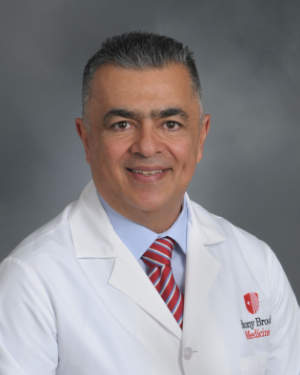
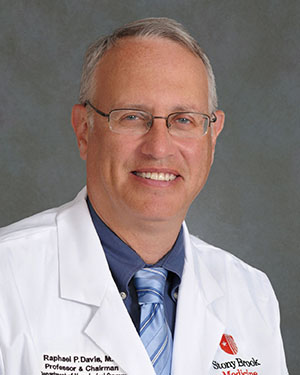
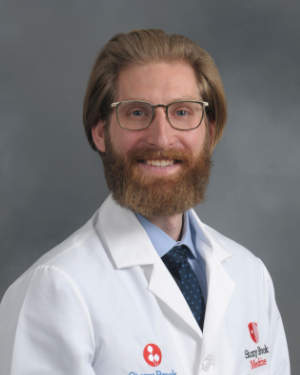

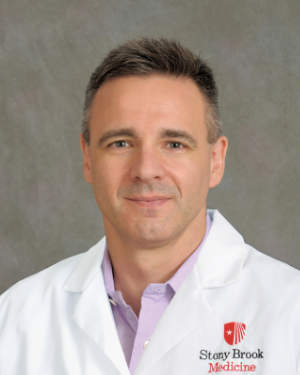
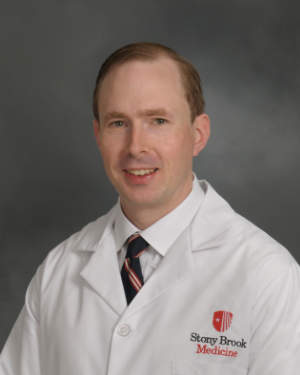
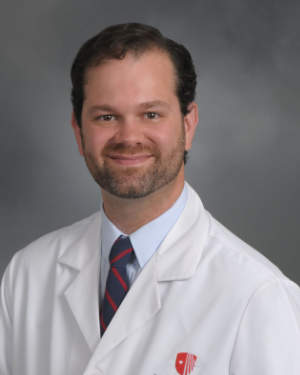
Neuro-Oncology
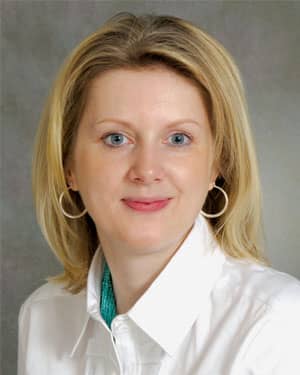
Medical Oncology
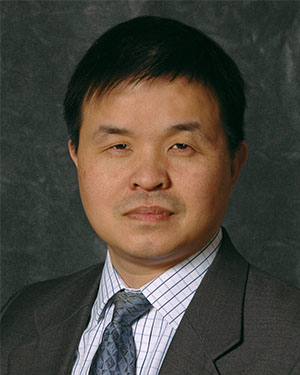
Radiation Oncology
Treatment and Care
During your first several weeks with us, you'll undergo diagnostic tests such as CT and MRI scans and possibly a biopsy. Based on these evaluations, our specialists will develop a customized treatment plan that may include medication, surgery, radiation and chemotherapy.
Surgery is often the first step in treating brain and spinal cord tumors. The primary goal is to remove as much of the tumor as possible while preserving normal brain function.
Common surgical techniques include:
- Craniotomy: A surgical opening in the skull to access and remove the tumor.
- Awake Craniotomy: Performed while the patient is awake to monitor critical brain functions like speech and movement.
- Neuroendoscopy: A minimally invasive approach using a small camera and instruments to remove tumors through a tiny incision.
Advanced technologies include:
- Intraoperative MRI: Provides real-time imaging during surgery to ensure precise tumor removal.
- Functional MRI: Maps critical brain areas to avoid damage during surgery.
- Fluorescence-Guided Surgery: Uses a special dye to distinguish tumor tissue from healthy brain tissue.
While surgery can be curative for some tumors, it’s often combined with other treatments like radiation or chemotherapy for more aggressive types.
Different cancers affect different parts of the body and respond differently to treatment. Cancers that affect the brain, spinal cord or nerves require an expert who understands how these cancer cells can affect a person’s brain-based skills.
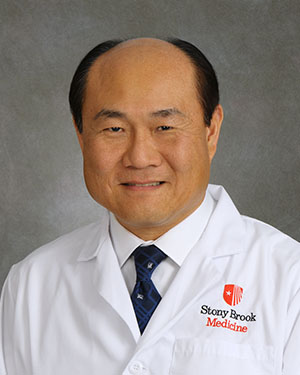
Co-director Dr. Agnes Kowalska is a neuro-oncologist who is subspecialty fellowship trained and board certified. This extra training means that Dr. Kowalska provides more advanced diagnostic and treatment options than a general oncologist for cancers of the brain, spine and nervous system.
Our highly-specialized approach includes:
- A multidisciplinary team including a neuro-oncologist, neurosurgeons, neurologists, neuropathologists, neuroradiologists, radiation oncologists, a social worker and an oncologic psychiatrist.
- Twice monthly team meetings to discuss individual patient cases and develop personalized therapies.
- Easy access to appointments.
- Foundation One® comprehensive genomic testing.
- Access to global clinical trials and investigated drugs.
- Strategies for maintaining control of tumors after surgery.
- Convenient, comprehensive care all within Stony Brook Medicine.
Chemotherapy
Chemotherapy is one cornerstone of cancer treatment and involves the administration of intravenous liquid cancer-fighting drugs through the veins. We offer the most advanced therapies, including intracarotid (through the carotid artery in the neck) cisplatin, which has been extremely effective for our patients.
Our chemotherapy suite is equipped with comfortable recliners, large-screen TVs and a friendly, caring staff of nurses who are always available.
Radiation therapy is a key treatment for brain and spinal cord tumors, often used to shrink or destroy cancer cells. It can be applied after surgery to target remaining tumor cells, as the primary treatment when surgery isn’t an option or to relieve symptoms caused by the tumor.
Common techniques include:
External Beam Radiation Therapy (EBRT): High-energy beams are precisely aimed at the tumor, minimizing damage to surrounding healthy tissue.
Stereotactic Radiosurgery (SRS): Delivers highly focused radiation in fewer sessions for small or hard-to-reach tumors.
Proton Beam Therapy: Targets tumors with precision, reducing exposure to nearby healthy tissue.
Radiation therapy is tailored to each patient’s tumor type, size and location, ensuring effective treatment while minimizing side effects.
Support Services
Find out more by clicking on the links below:
