Carol M. Baldwin Breast Care Center
Stony Brook Cancer Center provides compassionate, individualized care for every person we treat. Our Carol M. Baldwin Breast Care Center offers team-based care for breast cancer and other breast conditions.
We start with diagnostic testing and evaluation, then guide you through coordinated treatment options. Depending on your needs, your care plan may include surgery, chemotherapy, radiation therapy or a combination. Our specialists work together, and with you and your family, to create the best plan for your health, comfort and quality of life.
Learn about our Carol M. Baldwin Breast Care Center

In May 2024, the National Accreditation Program for Breast Centers (NAPBC), a quality program administered by the American College of Surgeons (ACS), granted accredited status to the Carol M. Baldwin Breast Care Center at Stony Brook Cancer Center for another three consecutive years. To achieve voluntary NAPBC accreditation, a breast center demonstrates compliance with the rigorous NAPBC standards that address a center’s leadership, clinical services, research, community outreach, professional education and quality improvement for patients.
Types of Breast Cancer
Learn more about breast cancers by clicking the links below:
Is there a clinical trial right for you?
Our Breast Cancer Team
Surgery
Plastic and Reconstructive Surgery
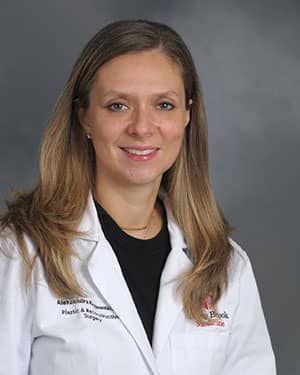
Medical Oncology
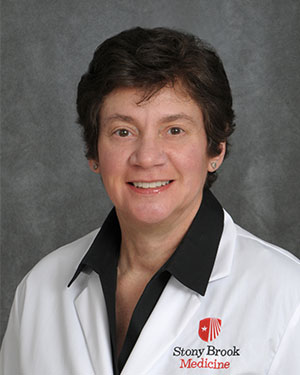
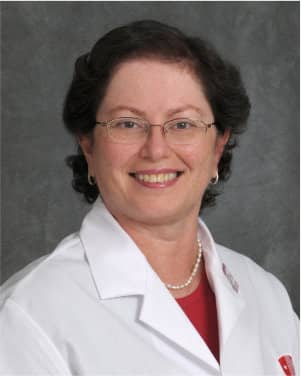
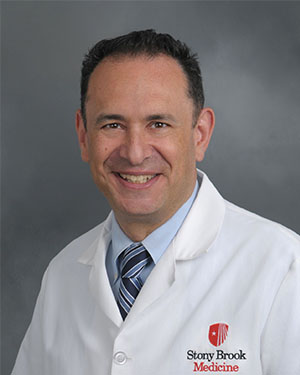
Radiation Oncology

Breast Imaging
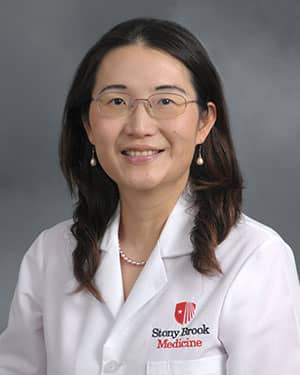
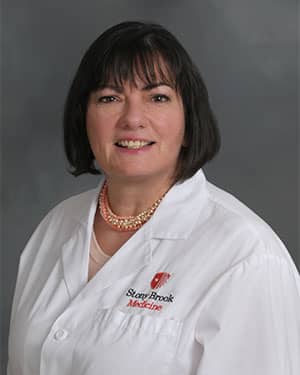
Genetic Counseling
- Gwen Goldstein, MS, CGC
Meet Our Doctors
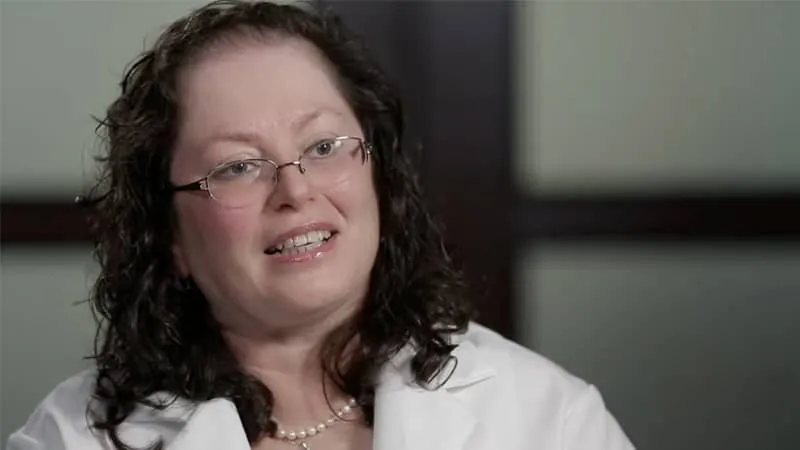
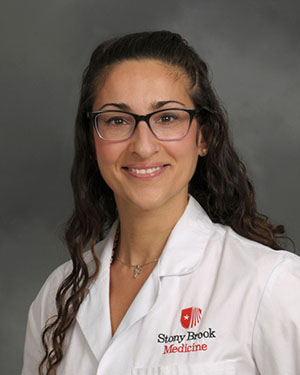
Lea Baer, MD
Medical Oncology, Hematology/Oncology, Breast Cancer, Stony Brook Cancer Center
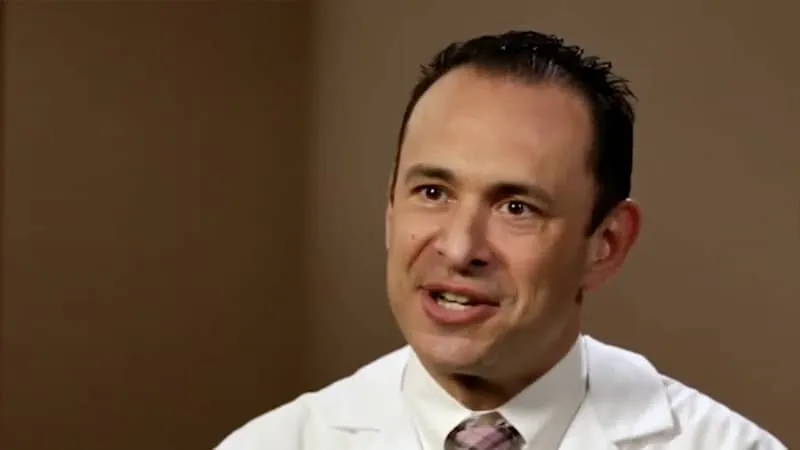
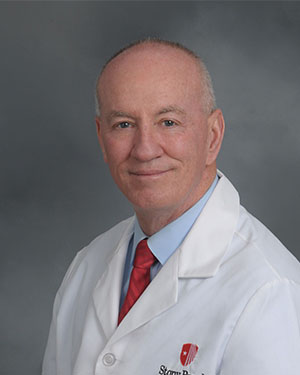
Jules Cohen, MD
Medical Oncology, Hematology/Oncology, Breast Cancer, Stony Brook Cancer Center
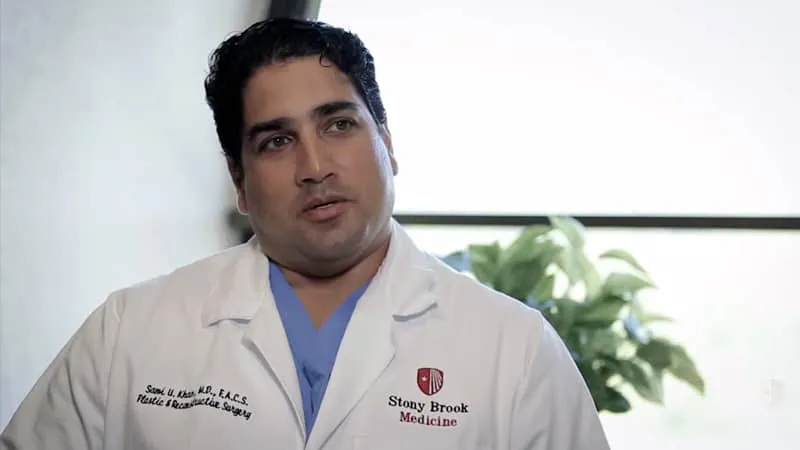
Sami Khan, MD
Plastic and Reconstructive Surgery, Breast Cancer, Stony Brook Cancer Center
Screening for Breast Cancer
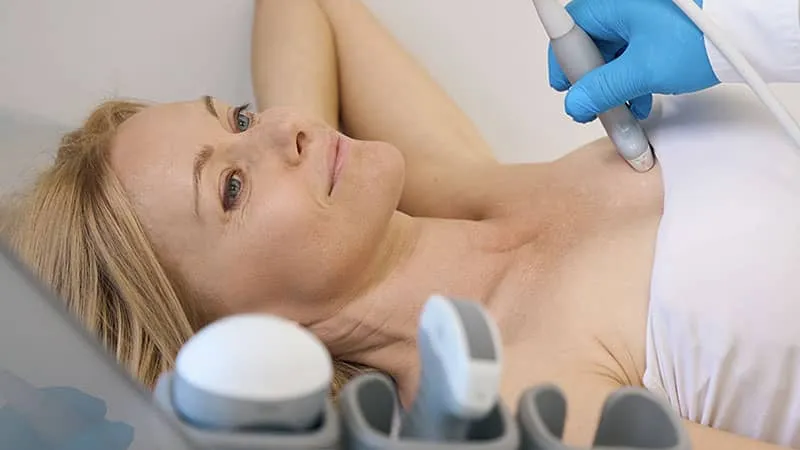
Breast cancer screening saves lives. We follow American College of Radiology guidelines recommending yearly mammograms starting at age 40. People at higher risk, including those with a family history, Black/African American women and those of Ashkenazi Jewish descent, should talk to a provider about risk evaluation starting at age 30.
Mammograms are quick outpatient exams (about 30 minutes). For best results, schedule when breasts aren’t tender, skip deodorant that day, and discuss any recent changes with your provider. To schedule your screening or a doctor-ordered mammogram/Breast MRI, call 631-638-2121.
Treatment and Care
Surgery is a key part of breast cancer treatment and may be combined with therapies like chemotherapy, hormone, targeted or radiation therapy. Options include lumpectomy (breast-conserving surgery), lymph node evaluation and mastectomy (several types), with the choice based on cancer stage, tumor size and personal goals.
Medical oncology is one of the three main ways to treat cancer. Medical oncologists evaluate your specific type of breast cancer and recommend the most effective treatments, which may include oral medicines, chemotherapy and/or immunotherapy.
Chemotherapy
- Chemotherapy uses medicine to destroy cancer cells. It can be given by mouth, injection, or through an IV (into a vein).
- Some patients receive chemotherapy before surgery (called neoadjuvant therapy).
- IV chemotherapy is provided on Level 6 of the Outpatient Cancer Center, with private, semi-private and open treatment areas.
When Chemotherapy May Not Be Needed After Surgery
- Not everyone needs chemotherapy after surgery. Some patients who meet certain criteria can safely avoid it.
- Gene expression testing (also called gene expression profiling) looks at 21 genes in the tumor to calculate a “recurrence score” (0–100). This helps estimate the risk of cancer returning in 10 years and how much chemotherapy might help.
- Low score (0–25): Low risk of recurrence. Most women in this group do well with hormone therapy alone.
- High score (26–100): Higher risk. Chemotherapy plus hormone therapy is more likely to help.
- Women age 50 or younger with a score of 16–25 may get a small to moderate benefit from adding chemotherapy.
- These tests are usually used for early-stage cancers and are not needed in every case. They can’t predict with certainty if cancer will return. Ask your doctor whether testing makes sense for you.
Immunotherapy
- Immunotherapy helps your immune system fight cancer.
- These treatments are made from living cells and are given by injection (not by mouth), because digestion would break them down.
- They provide proteins the body needs or target specific cancer pathways.
Hormone Therapy
Your oncologist may recommend hormone (endocrine) therapy based on the type of breast cancer you have.
Learn more about Medical Oncology at Stony Brook Cancer Center.
Radiation oncology uses targeted radiation beams to treat cancer. It’s often part of breast cancer care, along with surgery and/or chemotherapy. Radiation can destroy or shrink cancer cells while protecting nearby healthy tissue. It’s used for early-stage cancers, more advanced cases, and to relieve symptoms when cancer has spread.
Types of Radiation Therapy
- Stereotactic Body Radiation Therapy (SBRT)
- Fractionated Intensity-Modulated Radiotherapy (IMRT)
- 3-Dimensional Conformal Radiotherapy (3DCRT)
A breast-focused radiation oncologist will evaluate your situation and recommend the best option.
Stereotactic Body Radiation Therapy (SBRT)
- Uses highly focused beams to target only the tumor with sub-millimeter accuracy.
- Delivers a high dose to the tumor in 2–5 sessions. When done in a single session, it’s called Stereotactic Radiosurgery (SRS).
- Noninvasive and done while you’re awake.
- A good option for some people who can’t have surgery.
- Offers excellent tumor control and cosmetic results, with a low risk of complications.
- Can also treat a few isolated metastases from breast cancer.
IMRT and 3DCRT
- Typically used for more advanced breast cancers, often with chemotherapy.
- Treats the whole affected breast and nearby lymph nodes.
- Given in small daily doses (fractions) over about 5–6 weeks.
- The radiation beams are shaped and adjusted to match the tumor’s 3D shape (3DCRT) and carefully modulated (IMRT) to distribute the dose evenly.
- This precision helps protect healthy tissue and reduce side effects.
Learn more about Radiation Oncology at Stony Brook Cancer Center.
Support Services
We provide comprehensive support services tailored to breast cancer patients, including genetic counseling, nutritional guidance and support programs. These resources ensure holistic care, helping patients and their families navigate every aspect of their cancer journey with compassion and confidence.
Find out more by clicking on the links below:
- Social Work
- Genetic Counseling
- Oncology Nutrition
- Support Groups
Resources
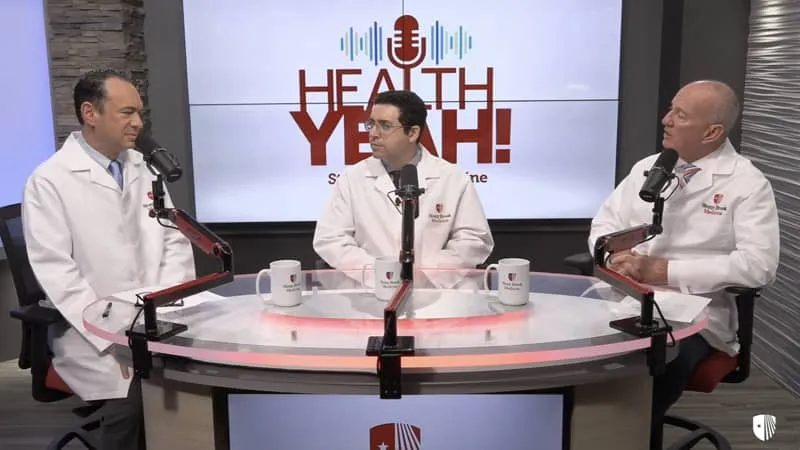
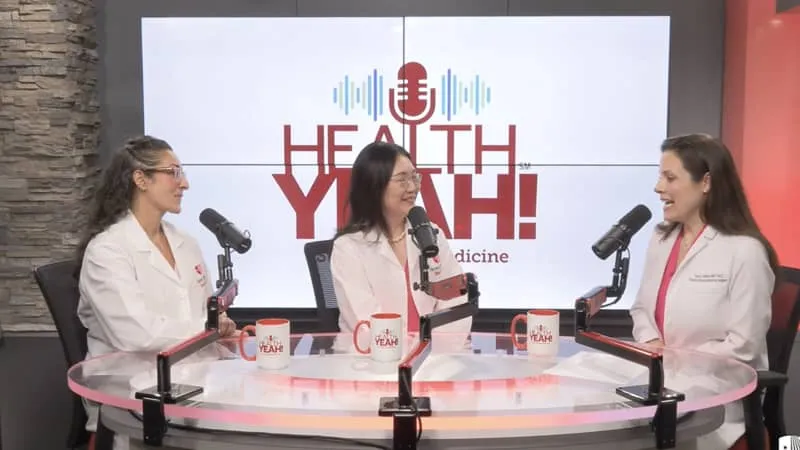
HEALTH Yeah! Ep1: Let's Talk Breast Cancer