






2026 Gloria and Mark Snyder Symposium
April 20, 2026 • 8:30 am to 4:30 pm
In Person
Through the generous and continued support of Gloria and Mark Snyder, each year we are able to bring together a group of exceptional internal and external speakers with expertise in a number of exciting areas of cancer research. The Lipid Signaling and Metabolism in Cancer (LSMC) Research Program at the Stony Brook Cancer Center will host this year’s symposium, focusing on “Unraveling the Enigma: Sphingolipids in Cancer and Beyond.” Over the last several decades, the roles and functions of lipids have taken center stage in nearly all aspects of cancer biology. In the case of sphingolipids, the field was transformed 40 years ago when Dr. Yusuf Hannun’s seminal manuscript, “Sphingosine inhibition of protein kinase C activity and of phorbol dibutyrate binding in vitro and in human platelets” (Hannun, Loomis, Merrill Jr., and Bell, J. Biol. Chem., 1986), opened the door to the field of sphingolipid-mediated signaling. In recognition of this important milestone, this year’s symposium will provide a venue to highlight the historical discoveries that have shaped the lipid and sphingolipid fields, featuring three outstanding lipid “pioneers.” We will also discuss seminal past and current contributions from the laboratories of Drs. Obeid and Hannun, as well as from their former mentees, who have themselves embraced the task of further unraveling the mysteries of sphingolipid existence and function in cancer and beyond.
The symposium will also showcase the talent and promising discoveries of our Stony Brook Cancer Center junior scientists during the poster session. On behalf of the Stony Brook Cancer Center and the organizers of the 2026 Gloria and Mark Snyder Symposium, we hope you enjoy the program, that you feel inspired in your own cancer research, and that, by connecting with intramural and extramural colleagues, you will identify new opportunities for exciting and impactful collaborations.
Keynote Speakers
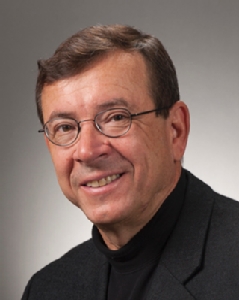
Keynote Speaker: Vytas A. Bankaitis, PhD.
Distinguished Professor, Department of Molecular and Cellular Medicine and E.L. Wehner-Welch Foundation Chair College of Medicine, Texas A&M University
Dr. Vytas A. Bankaitis is widely recognized for pioneering the study of lipid transfer proteins in eukaryotic cells. He is a leading expert in lipid signaling, focusing on phosphatidylinositol/phosphatidylcholine transfer proteins (PITPs) and their role in membrane trafficking. By using a variety of model organisms, his laboratory studies the role of lipid-binding proteins in lipid-driven signaling, membrane trafficking, and development and how their dysfunction links to cancer, chylomicron retention, hypoglycemia, and brain inflammation. Landmark studies include defining PITP’s essential role in yeast Golgi function.
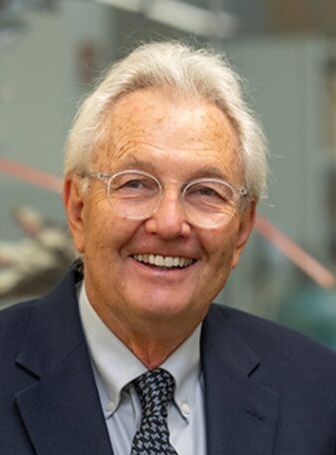
Keynote Speaker: George M. Carman, PhD.
Distinguished Professor, Department of Food Science and Rutgers University Board of Governors Professor
Founding Director of the Rutgers Center for Lipid Research
The work of Dr. George M. Carman’s Laboratory has defined how phospholipid synthesis is regulated, especially via phosphatidic acid phosphatase (PAP), using yeast as a model. Dr. Carman's Laboratory discovered PAP acts as a metabolic “gatekeeper,” directing lipids toward membrane building or fat storage, with imbalances linked to cancer, obesity, diabetes, and heart disease. His work also identified human lipins as PAPs. Dr. Carman’s fundamental contribution to understanding the regulation of lipid metabolism earned him the 2026 ASBMB Herbert Tabor Research Award.
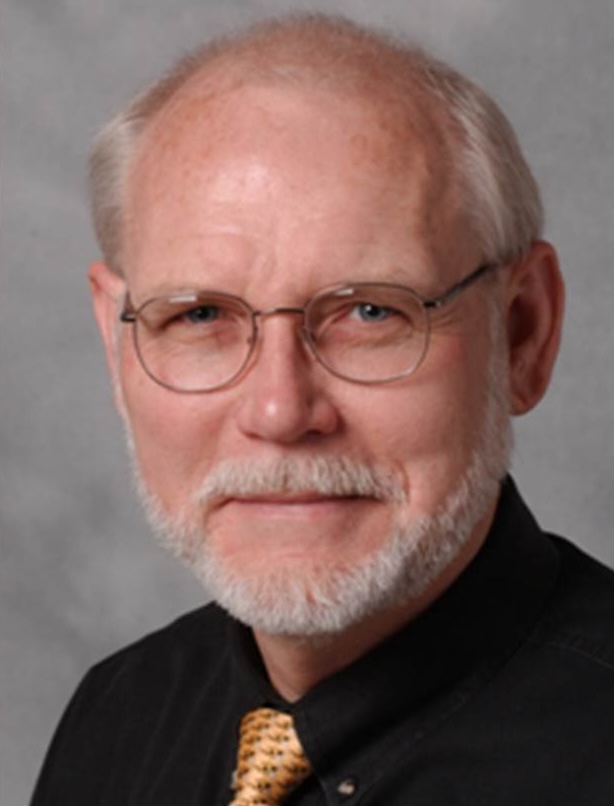
Keynote Speaker: Alfred H. Merrill, PhD.
Emeritus Professor and Smithgall Chair in Molecular Cell Biology
School of Biological Sciences,
Georgia Institute of Technology
Dr. Alfred H. Merrill Jr. is a 2000 AAAS Fellow whose lab has advanced sphingolipid biology by pioneering the utilization and development of lipidomic mass spectrometry and tissue imaging. His discoveries have contributed to uncover how sphingolipid backbones (ceramide, sphingosine, S1P) regulate cell growth, autophagy, and death, and how disruptions by toxins, venoms, or diet contribute to disease. Dr. Merrill has served as the sphingolipid expert in the creation of the ground-breaking Lipid MAPs database and contributing tools like “SphingoMAP” to map sphingolipid metabolism.